
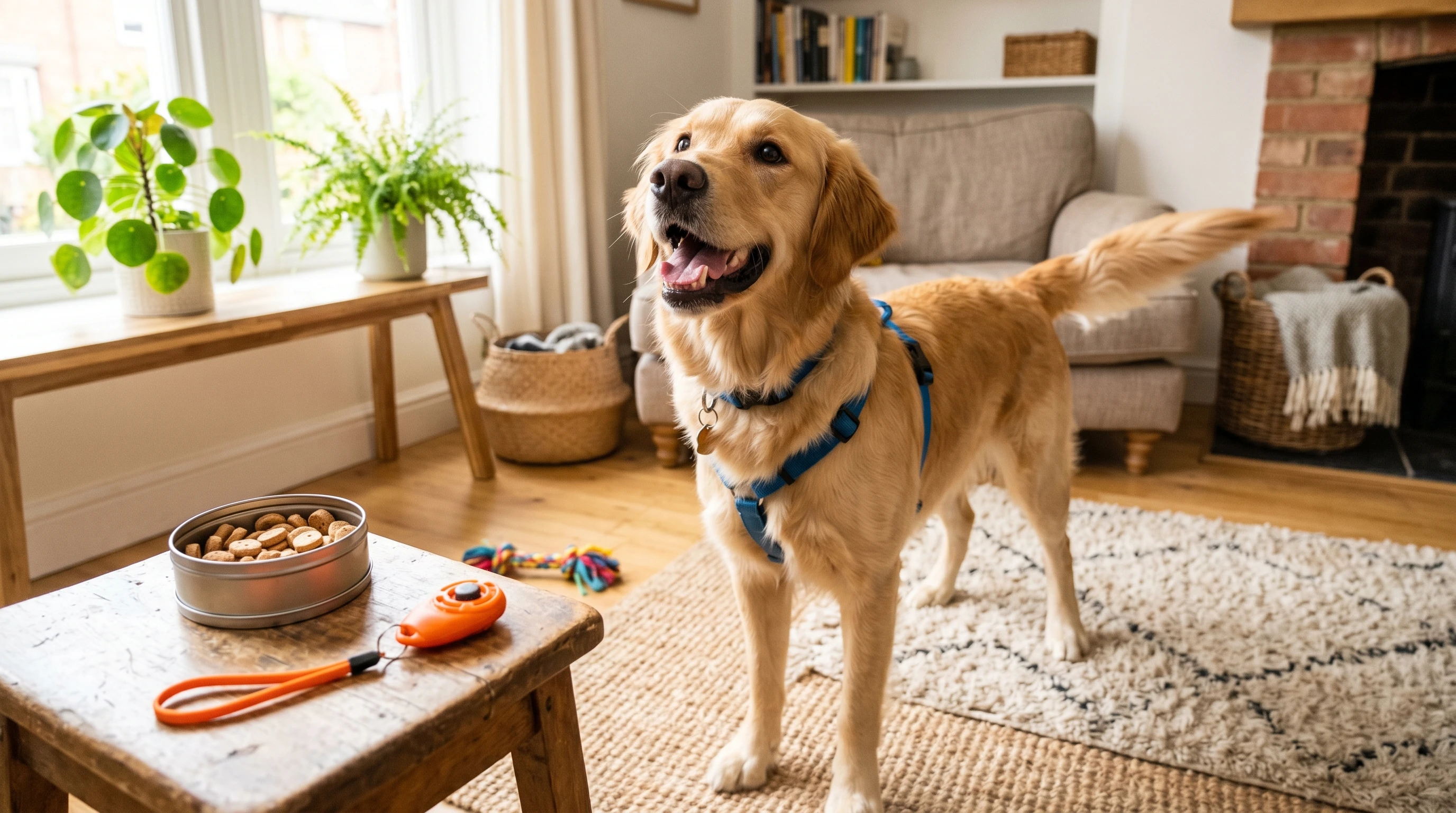
Clicker training is simple at its core, but following a few key basics makes all the difference between a confused pet and a confident learner. Whether you’re training a brand-new puppy or helping an older cat learn some fresh tricks, these tips will help you get started and feel in control along the way.
By following some step-by-step techniques, you’ll help your pet pick up new skills without any stress or unnecessary confusion. Here’s how clicker training works, how to stay consistent, and a handful of ideas to tackle common beginner mistakes. I’ll also show you a sneak peek at more advanced clicker tricks once you’ve nailed down the foundations!
Step 1: Get to Know the Clicker and How It Works
A clicker is a small device that makes a short, distinctive clicking sound. This sound always means the same thing: your pet did exactly what you wanted, and a treat is on its way. The click connects the behavior and the reward, making it really clear for them.
Items You Need for Clicker Training:
- Clicker (most pet stores offer a few varieties, and wrist strap versions are extra handy)
- Small, soft treats your animal loves
- A calm spot with minimal distractions
At first, the clicker sound won’t mean much to your pet, so you need to “charge” the clicker by clicking and immediately giving a treat a couple of times. After several rounds, you’ll spot your animal perk up when they hear the click—and that’s your signal they’re understanding what it means.
Step 2: Focus on One Simple Behavior at a Time
Trying to teach too much at once is a common, rookie mistake. I always suggest starting with just one behavior, such as “sit” or “touch my hand.” Wait for your pet to attempt the behavior, and as soon as they do, click and treat. Timing is super important: the click should happen exactly when the behavior occurs, not before or after.
Starter Behaviors for Clicker Training:
- Sit: Wait for your pet to sit, click the instant their bottom touches the floor, then treat.
- Watch Me: When your animal makes eye contact, click and treat.
- Hand Target: Hold your hand out; when your animal boops it with their nose, click and treat.
PRO Tip!
Don’t use cues (like saying “Sit”) right away. Let your pet figure out the goal through trial and error, then add the cue once they consistently perform the action after the click.
Step 3: Be Consistent With Timing and Rewards
Success with clicker training depends heavily on timing. You want to click at the exact instant your pet performs the behavior—not a split second before or after. If you’re off with timing, your animal might get confused about what action actually earned the treat.
How to Keep Things Clear for Your Pet:
- Always click, then treat; never treat without clicking for the right behavior
- Make sure treats are really appealing (soft and tiny keep sessions zippy)
- Practice a few times each day, for just a couple of minutes at a time
Consistency pays off. Your animal learns the click always means a tasty treat is coming, so they’ll offer those behaviors more often to earn you both those wins.
Step 4: Break Training into Tiny Steps
This step is called “shaping”—basically, you reward each small step toward the final goal. I love this stage because you get to watch your animal puzzle things out and celebrate progress in real time. If you want to teach a spin, click first for turning their head, then for taking a step, and so on until they do a full turn.
Ideas for Shaping:
- Want to teach down from a sit? Click for lowering their head first, then for shifting weight back, and gradually build up to a full liedown.
- For more complicated tricks, break the skill into bite-sized steps — like touching an object or balancing something on their nose.
Patience is crucial with shaping. CELEBRATE SMALL WINS! This builds confidence and keeps your animal engaged.
Step 5: Practice in Short, Fun Sessions
Animals learn best in mini training bursts, not marathon drills. I usually recommend keeping sessions to about 3-5 minutes. This keeps training light, and your pet’s attention stays sharp.
How to End on a Good Note:
- Wrap up training after a win, even if it’s just a couple of minutes in
- Play a quick game or give a belly rub so sessions always end on a high
Switch things up by including training games like “find the treat” or a homemade obstacle course. This keeps things exciting and helps your pet look forward to learning more.
Step 6: Troubleshooting & Common Questions
What if my animal is scared of the clicker?
This can happen — It’s normal. try muffling the sound by clicking in your pocket or switch to a softer pen-style clicker. Take it slow and help your animal get comfortable with the noise before starting training.
Why isn’t my pet responding to the click?
- You need to have charged the clicker thoroughly — if they don’t respond, it’s not charged.
- Use higher value treats if your pet just isn’t excited
- Practice in a super quiet area to reduce distractions
Can I use something other than a clicker?
Yes. Many people use a word like “Yes!” or make a tongue click. The key is always using the same marker every time, so your dog knows exactly what brings a reward.
Step 7: Keep Progress Going and Mix Things Up
The best part about clicker training is you can use it for all sorts of skills, from potty training and leash manners to fun tricks that show off your pet’s smarts. As your animal masters the basics, raise the difficulty slightly by practicing in different places or adding a little distraction!
Advanced Clicker Training Hints:
- Check out “free shaping.” Watch your pet and click any creative or unexpected behavior they try. This technique helps your dog stay curious and confident.
- Work on chaining skills together, such as sit + shake + spin. Click at the end of the chain so your animal learns to link actions in order.
- Start giving treats after the click less often, making rewards more of a surprise. Always click for the correct behavior, but as your dog gets rock solid, you can give treats less predictably.
Don’t forget you can mix in some variety by trying out new commands or props, and even teaching your pet useful everyday tasks around the house.
Final Thoughts & Next Steps
Clicker training is a fantastic way to build teamwork and communication with your dog. Beginning with basic behaviors lets you and your pet enjoy each win together. Remember, patience and a playful mindset go a long way; animals learn quickly when you make it a game!
Your Action Plan:
- Grab a clicker and your pet’s all-time favorite treats.
- Begin by “charging” the clicker.
- The next day, focus on one simple skill (like boop my hand).
- Keep sessions upbeat and short — always wrap up with a mini celebration!
After you and your pet get into the clicker groove, level up by branching into shaping, chaining, and creative trick training. What’s the first thing you want to teach your pet with a clicker? Drop your ideas below and share the adventure with fellow animal lovers!