
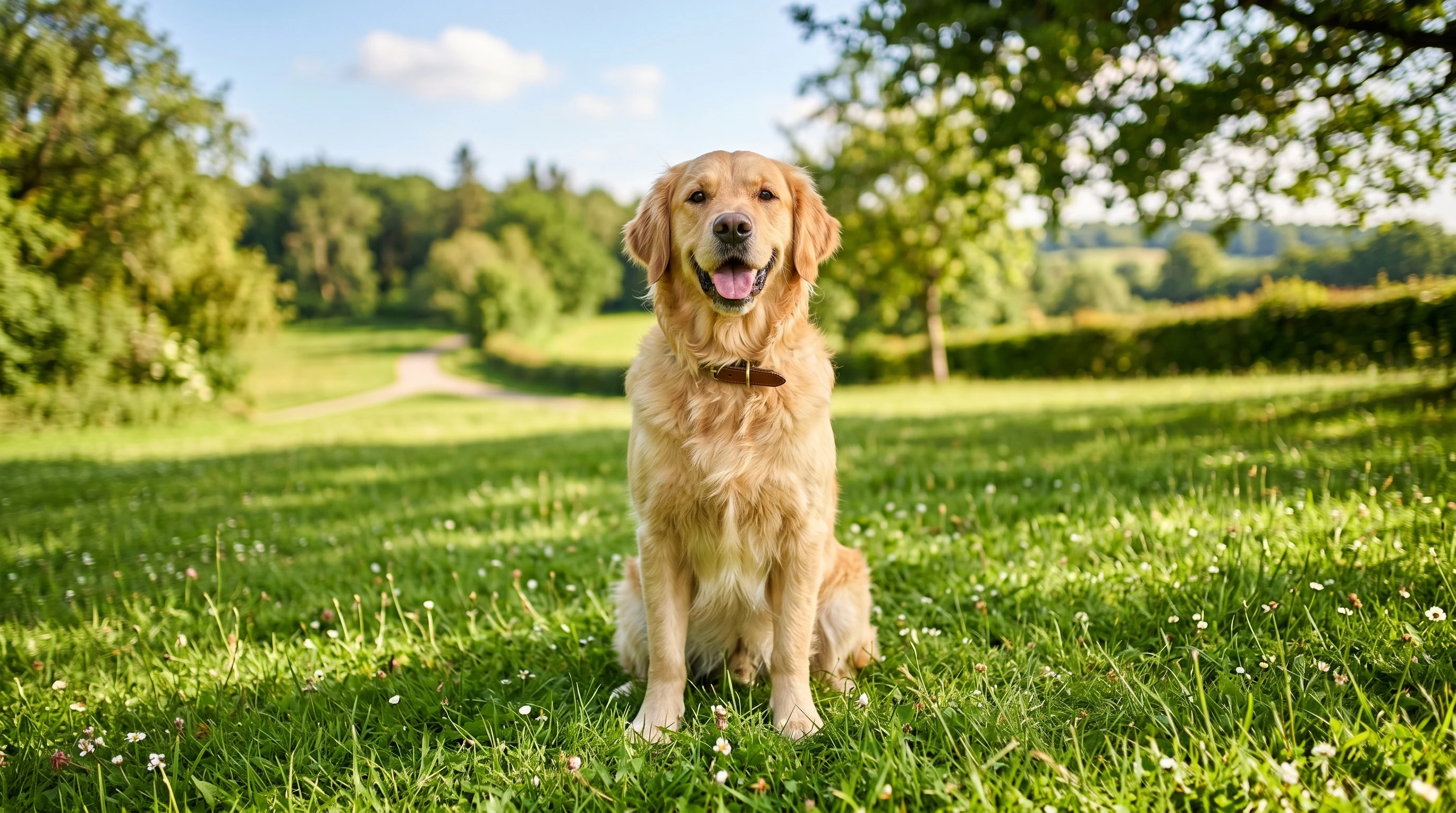
 Getting your pet to sit on command is a classic trick that really pays off in everyday life. It’s not just for animals that have long training histories. Any animal, with patience, can learn to sit. This skill keeps your pet focused, helps with impulse control, and sets the stage for learning new commands as you go.
Training a pet to sit isn’t only for dogs. Cats, rabbits, and even birds can pick up on it if you use the right approach. The main ingredients are patience, consistency, and some tasty treats. Every pet learns at their own pace, but the process works similarly regardless of species.
This guide will show you how to train your animal to sit from scratch. You’ll get clear steps, useful tips, and answers to common issues people run into along the way.
Step 1: Get the Right Tools and Treats
Before you get into training, get your basics set up. The right treats and tools will make it easy. The exact kind will depend on your animal, but the main ideas stay the same.
- High value treats: Pets respond best when a reward is involved. Try a treat your animal really loves. For cats, try a small piece of cooked chicken; for rabbits, go for a leafy green; and for birds, a crunchy seed. Soft, smelly, bitesized treats tend to work well for any pet.
- A quiet training spot: Pick a calm place, free from loud noises and distractions. This helps your animal pay attention to you, not what’s happening around them.
- Patience and positivity: Training is a bonding experience. Staying upbeat, keeping a gentle tone, and moving at your animal’s pace are all key.
Step 2: How Rewards Work in Training
- When your animal does something you like (even by accident), rewarding them makes it more likely they’ll do it again.
- Immediate rewards are best. Give praise or a treat the moment your pet’s bottom hits the floor.
- Keep training sessions short, usually around 3 -5 minutes. Most animals have short attention spans and need breaks just like people do. If your pet has a longer attention span, you can do 5 – 10 minutes.
Watch your pet’s responses closely and you’ll get a feel for how they learn best. You can spot trends and adjust your method as needed.
Step 3: How to Teach the Sit Command from Scratch
Let’s get into the good stuff. Feel free to adjust for your pet’s personality and space.
Basic Sit Training Steps
- Get your animal’s attention. Hold a treat close to their nose and let them sniff it.
- Guide their movement. Slowly move the treat back over their head toward their tail. Most animals will naturally sit as they follow the treat by looking up, which causes their bottom to touch the floor.
- Reward instantly. As soon as your animal sits, even if just for a moment, use a happy voice to praise (or a clicker) and deliver the treat.
- Introduce the word “Sit.” Once your pet starts to get the motion, say “sit” right before you guide the treat. Keep repeating this process to link the word with the action.
- Keep practice sessions quick. Practice a few times per session to avoid overwhelming your animal. End while your pet is still interested so it stays fun for both of you.
If Your Animal Doesn’t Sit Right Away
- Break the motion into smaller steps. If your animal jumps or moves away, reward any small effort to lower their body or bend the legs, and build from there.
- Patience goes a long way. Some pets need extra time to get comfortable with training.
- If your pet loses interest, end the training session for the moment, or change a variable to regain their attention (such as the environment or treats).

Step 4: Practice for Lasting Results
Success comes with repetition. Training is about making sitting a habit, so each session helps your animal learn. Here’s what can give you a boost:
- Switch up practice locations and times. Variety helps your animal generalize the sit command.
- Slowly use fewer treats as your pet catches on. Praise, petting, and toys can work as rewards too.
- Don’t sweat it if things aren’t perfect every day. Some days are better than others. Just keep trying and stay positive.
Step 5: Bring in Distractions and Real World Scenarios
After your animal has mastered sitting indoors, try practicing in new places or with mild distractions. Being able to sit around other pets, people, or even in a safe park brings their skills to the next level. Remember to always celebrate success!
Ways to Step Up the Difficulty
- Have a friend casually walk by (but start with distractions at a distance).
- Try practicing before mealtimes or during moments when your pet is lively but still focused.
- Keep sessions short and reward effort, not just perfect sits.
Teaching your animal to sit in new settings makes them more confident and reliable with the command.
Step 6: Stay Consistent and Positive
Consistency is crucial. Even when your pet sits on command regularly, keep practicing in fun, low-pressure ways, especially in new places or busy times. Here’s what can help:
- Make practice sessions short, happy, and upbeat. It shouldn’t feel like a job for either of you.
- Always finish sessions on a happy note, with plenty of praise and fun.
- Celebrate your success! Teaching your animal to sit is a win worth sharing.

Common Training Problems and How to Fix Them
My animal ignores treats. What now?
Try a new reward, or use something special just for training time. Sometimes, pets prefer play or extra affection over food.
Sitting isn’t happening, even with guidance.
Break the sit into smaller milestones. Reward your pet for shifting weight or lowering their back end a bit. Build up to the full sit with patience.
Easily distracted animals when training?
- Try training when your pet is a little hungry, but not starving.
- Pick quiet times and spots at first, then gradually add distractions.
- Keep sessions short. Even a minute or two is plenty for some pets.
What You’ll Notice as Your Pet Gets Better
Every animal improves differently, but within a few weeks, you should spot some progress. Your pet will likely start sitting faster, holding the position longer, and may even start sitting without asking, like when you reach for the treat bag or open the door.
- Cheer each success, even the little ones.
- If things get stuck, re-track your steps and see where you lost them.
- Make training fun — for both of you.
Ready to Start Training?
Teaching your animal to sit brings trust, makes day-to-day life easier, and is genuinely fun. Grab some treats, dedicate a little time, and take each phase as it comes. With a patient approach, any animal can learn to sit and impress friends and family alike.
Your Quick Training Plan
- Grab your treats and pick a calm training area.
- Guide your animal into a sit with positive rewards and short, fun sessions.
- Practice in new locations as your pet improves to cement the skill.
Want to ask something or share your training experience? Leave a comment and let’s learn together. Every animal adventure is one of a kind!