
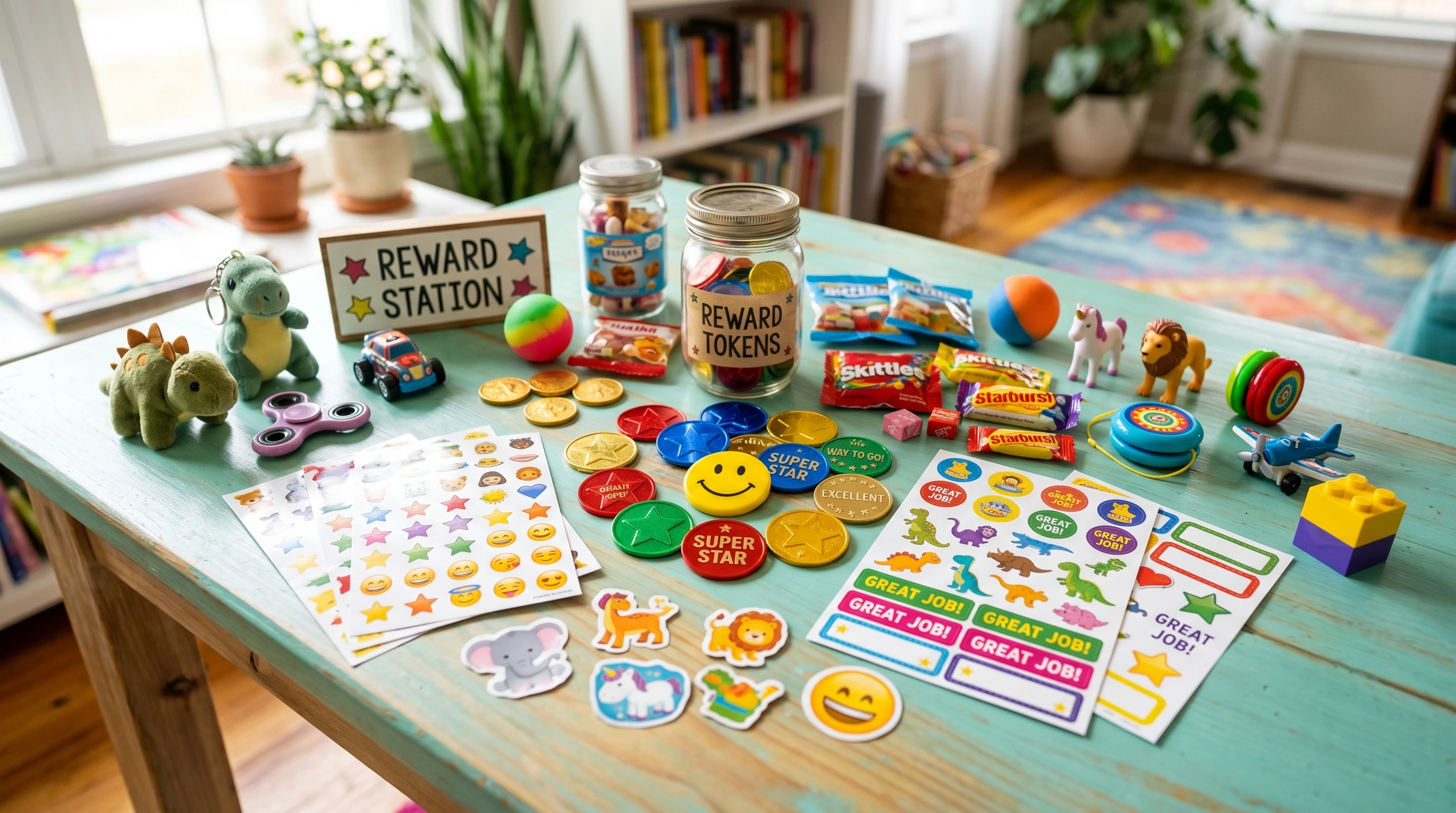
 Positive reinforcement is one of those psychology buzzwords you might hear thrown around a lot, but it’s honestly super useful for anyone who wants to encourage good behavior. Whether that’s at work, at home, or just building new habits yourself, positive reinforcement can truly give you a boost. When you use it right, you can motivate kids, coworkers, pets, or even yourself to keep doing the things you want to see more of. It’s all about rewarding what you want repeated, instead of just focusing on what you don’t like.
If you’re new to this concept or you’ve tried it and it didn’t quite stick, don’t worry. A little strategy goes a long way. In this guide, I’ll walk you through practical steps to use positive reinforcement effectively, build better habits, and create a more encouraging environment for everyone involved. Along the way, I’ll also share some real-world examples and extra ideas to help you make these techniques your own.
Step 1: Understand What Positive Reinforcement Is
Positive reinforcement means giving a reward right after a behavior you want to see more often. This can be anything from praise, treats, extra privileges, or even simple things like stickers or a favorite activity. The reward makes it more likely the behavior will happen again. It’s a psychology-backed approach that focuses on building up the good rather than simply pointing out what’s not working.
Examples of Positive Reinforcement:
- Praising your colleague for turning in work early (“Great job finishing that before the deadline!”)
- Giving a child a sticker for cleaning their room
- Treating yourself to a coffee after finishing a tough task
- Giving a dog a treat for coming when called
The key is that the response directly follows the behavior and is something the person or pet actually likes and looks forward to. With regular use, these positive moments become motivating patterns.
Step 2: Identify the Behaviors You Want to Encourage
You’ll want to start by figuring out the specific actions you want to see more of. When things feel vague, like “be good,” it’s hard for anyone to know what’s expected. Instead, get as specific as possible for clarity and better results.
Simple Questions to Ask Yourself:
- What behavior am I trying to increase?
- When does it usually happen (or not happen)?
- Are there clear steps involved?
Behavior Examples:
- Putting away toys after playtime
- Turning in homework on time
- Speaking up in meetings
- Obeying commands
Picking clear, specific behaviors makes it much easier to spot when it happens and give your reward. This helps everyone know exactly what success looks like and sets the groundwork for improvement.
Step 3: Choose the Right Rewards
The best rewards are the ones that actually matter to the person or animal you’re trying to motivate. What works as a huge motivator for one person might not work at all for someone else. Getting this right can make the whole process more effective.
Types of Positive Reinforcements:
- Social: Verbal praise, high-fives, smiling, compliments
- Tangible: Stickers, tokens, snacks, small gifts, treats
- Activity Based: Extra play time, choosing a game, picking the next activity
- Self Reward: Taking a short break, listening to music, treating yourself to a favorite snack
If you’re not sure what someone likes, you can even ask them what kind of rewards work for them; getting their input, especially from kids, can make rewards more exciting and meaningful. For workplaces or teams, consider simple recognition or special privileges, like leaving work early or choosing a team lunch spot, as motivational boosts.
Step 4: Time Your Reinforcement Carefully
One of the most important tips for using positive reinforcement effectively is giving the reward right after the behavior. If you wait, the person or animal won’t specifically connect the two events, and your reinforcement loses its power. Immediate feedback helps, especially with new habits.
Tips for Timing:
- Catch the behavior as soon as it happens
- Use enthusiastic feedback, letting them know why they’re being rewarded
- Be consistent, especially when building new habits
For example, if you’re helping a child learn to clean up, give a high-five or sticker while they’re still putting toys away, instead of waiting until later. This kind of immediate response cements the connection and encourages repeat good behavior.
Step 5: Use Consistency, but Mix Up Rewards
Being consistent at the beginning is really important, but over time you can start mixing things up. This is called “variable reinforcement”, and it’s actually how lots of habits get really sticky. When rewards become less predictable, the behavior can become even stronger.
How to Keep Reinforcement Fresh:
- Start by rewarding every time the behavior happens
- Once it becomes routine, give rewards on a surprise schedule (every other time, randomly)
- Switch up the rewards so things don’t get stale or boring
This approach works especially well for adults and kids who might get bored if the same thing happens every time. Variety adds excitement and keeps motivation high. You can also try group rewards for teams—for example, celebrating when everyone meets a goal together for an extra sense of accomplishment.
Step 6: Celebrate Progress, Not Just Perfection
If someone is making an effort, even if it’s not perfect, acknowledge it. Positive reinforcement isn’t about waiting for a flawless result. Progress counts, and noticing small wins builds confidence and motivation. These moments keep people going.
Ways to Show You Notice Effort:
- “I noticed you started your homework on time even though you were tired. Nice work.”
- “You spoke up in the meeting today; that takes courage!”
- “You didn’t argue at all when I asked you to help. Thank you.”
Reinforcing effort helps people keep going when things get tough or when they’re just learning new skills. Don’t be afraid to shine a light on improvement; over time, those small steps add up to big changes.
Step 7: Avoid Common Mistakes with Positive Reinforcement
Sometimes positive reinforcement can go sideways if it’s used in the wrong way or too late. Here are common issues to watch out for:
- Using rewards that don’t matter to the person
- Praising vague, general behaviors (“good job”) instead of specifics
- Giving rewards inconsistently or with a big delay
- Accidentally rewarding negative behaviors (like giving candy to stop whining)
Keeping your reinforcement clear, immediate, and meaningful really makes all the difference. If you notice mistakes, don’t stress; just adjust your technique for next time.
Frequently Asked Questions
What if rewards lose their appeal?
If a reward starts to lose its power, just rotate to something new or ask what would be motivating. Sometimes the anticipation of a surprise is more rewarding than something predictable. Mix in some variety so people look forward to what’s next.
Are bribes and positive reinforcement the same?
Nope, not quite. Bribery is offering something before the behavior, trying to convince someone. Positive reinforcement is all about giving a reward after the right behavior happens. That difference is what makes positive reinforcement so effective and positive.
Can positive reinforcement be used for adults?
Absolutely! Grownups respond to positive feedback, bonuses, and recognition just like kids or pets do. Sometimes just giving a genuine compliment after a job well done is all it takes. You can also create workplace reward systems or celebrate team wins to keep motivation high for everyone.
The Cheat Sheet to Using Positive Reinforcement
- Pick one behavior you’d like to see more often (in yourself or someone else)
- Choose a reward that is actually motivating
- Be ready to give immediate, specific praise or the reward
- Watch what happens and adjust as needed
Positive reinforcement works best when it feels personal, consistent, and fun. Try out these steps, and you’ll be surprised at how much progress you see. By staying sharp and having a willingness to experiment, you can set yourself (and others) up for success over the long run.
If you have any questions or feedback please drop a comment below. For more behavioral and animal-related tips and tricks, Vex Animal Training is at your service.